At first, starting a building project is exhilarating. You have energy, ideas, and a clear vision in your head of how things should go. But in real life, building doesn’t always go according to plan. Small mistakes may turn into big problems, and even small choices can change the whole result.
That’s why learning from real-life situations may help you save time, money, and worry. You don’t have to learn the hard way what this guide teaches you.
The Plan That Looks Good on Paper Isn’t Always Enough
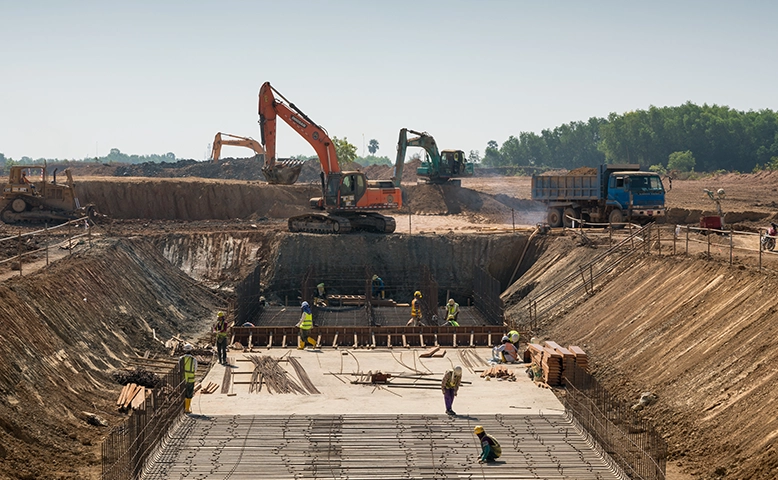
At first, everything seems apparent. The drawings are done. The budgets seem fair. Timelines seem doable. But building doesn’t happen on paper; it occurs on site, where things may alter quickly.
For instance, supplies may not arrive on time, the weather can slow things down, or problems with the structure might not show themselves until work starts. Because of this, it’s frequently frustrating to stick to a set strategy.
Instead, be open to change. A good plan should let you make changes without ruining the whole endeavor. What helps straight away:
- Keep a buffer in both time and budget
- Expect small changes and plan for them
- Stay involved instead of assuming everything will go exactly as planned
Cheap Decisions Often Cost More Later
At first, it seems wise to save money. But picking the lowest price without knowing how it would affect you in the long run typically means having to mend things over and over again.
Materials that cost less may not last as long. Quick remedies may not last. In the end, fixing things and replacing them might cost a lot more than doing it correctly the first time. This doesn’t imply spending more money without thinking. It means understanding value instead of just price.
Focus on:
- Durability over short-term savings
- Materials suited for your specific environment
- Work that won’t need frequent corrections
Clear Communication Changes Everything
Many construction problems don’t come from technical mistakes. They originate from not comprehending.
Not being explicit about a little detail might lead to consequences that are different from what you expected. It costs time and money to remedy such blunders. That’s why clear and consistent communication is so important. Simple behaviors that help projects go more smoothly:
- Confirm details in writing whenever possible
- Review progress regularly
- Speak up early when something feels off
Timelines Are Guides, Not Guarantees
It’s easy to become hooked on a deadline. But there are a lot of moving elements that affect the building. A little delay in one stage might have a tremendous impact on everything else. It’s better to know that deadlines change for good reasons than to worry about every delay. A realistic way of thinking makes problems easier to handle.
Keep in mind:
- Weather, permits, and deliveries affect progress
- Rushing often leads to mistakes
- Steady progress matters more than speed
Small Details Have a Big Impact
Small things may not appear crucial at first. But they frequently determine the eventual outcome. A little misalignment, a hasty finish, or a missing measurement may change how everything appears and works. Paying attention early on keeps you from feeling bad later.
What to watch closely:
- Measurements and spacing
- Finishing touches
- Alignment of fixtures and structures
Being Present Saves You From Surprises
If you step back from your project totally, things may not turn out the way you plan. Your opinion is still important, even if everything is done by professionals. Regular check-ins help you keep track of progress and find problems before they become worse.
Stay involved by:
- Visiting the site periodically
- Reviewing updates and reports
- Asking for clarification when needed
Permits and Rules Are Not Just Formalities
Skipping permits or ignoring local rules might seem like a shortcut. However, it often leads to serious delays or even legal trouble.
Following proper procedures keeps your project on track and avoids unnecessary stress.
Always ensure:
- Required permits are approved before work starts
- Local building rules are followed
- Inspections are completed at the right stages
Weather Has More Control Than You Think
Construction doesn’t happen in a controlled indoor setting. Weather plays a major role, especially in outdoor projects.
Rain, extreme heat, or cold conditions can slow progress or affect material performance. Planning with weather in mind keeps expectations realistic.
Changes Midway Can Be Costly
It’s natural to rethink choices during construction. However, making changes after work has already started often leads to delays and extra costs. Each adjustment may affect materials, labor, and timelines.
To avoid unnecessary changes:
- Finalize key decisions before starting
- Review designs carefully
- Take time during planning instead of rushing
Skilled Work Shows in the Long Run
At the start, everything may look fine. However, the real test comes with time. Well-done work holds up under daily use. Poor work starts showing issues quickly. Choosing experienced and reliable teams helps avoid future problems.
Documentation Keeps Everything Clear
Keeping records may feel unnecessary at first. However, having everything documented helps prevent confusion later. Written agreements, receipts, and updates create clarity for everyone involved.
Keep track of:
- Contracts and agreements
- Payment records
- Progress updates
Budgeting Isn’t Just About Numbers
Budgeting isn’t just about how much money you want to spend. It’s also about how ready you are for the things that happen. Costs that come up out of the blue are prevalent in building. It is less stressful to plan for them.
Smart budgeting includes:
- A contingency fund
- Realistic cost estimates
- Tracking expenses throughout the project
The Emotional Side of Construction Is Real
Construction is not just physical work. It can feel overwhelming at times.
Delays, changes, and decisions can create stress. However, staying calm and focused helps you move forward without losing control. Taking things step by step makes the experience easier to handle.
Progress Takes Patience
Each step in the building process builds on the last. The ultimate outcome is affected by skipping stages or hurrying through them. Being patient leads to greater results. Even while it might be hard to wait, it typically saves time in the long run by not having to redo work.
Lessons That Stay With You
Most individuals know that the key to success is planning, talking to others, and making solid choices by the time a project is done.
These teachings may appear easy, but they are really important when you use them appropriately. Important things to remember:
- Plan well, but stay flexible
- Focus on value instead of just cost
- Communicate clearly and often
- Stay involved from start to finish
- Respect timelines and processes
Final Thoughts
Building is a journey full of choices that affect the end result. You already have a big edge before you even start if you learn from real-life situations. Using these skills early on makes the process go more smoothly and be much more rewarding. You take charge, lower your stress, and make changes that endure.
If you’re considering a project in Montréal, collaborating with a well-known company like Edilbec Construction Inc. may make a big impact. Their constant approach, clear communication, and practical knowledge of building help turn goals into outcomes that last.